
Can you buy property in Dubai as a foreigner? Yes. Non-UAE nationals can own property in Dubai, but only in areas the government has opened to foreign ownership. You do not need a UAE visa or residency to buy, and you can complete the purchase without living in the country.
This guide explains the rules step by step: where you can buy, which documents you need, how the NOC, escrow account and title deed work, what the purchase costs, and which risks to check first. For each topic we link to a deeper guide, so you can go further only where you need to.
Rules and fees can change. Treat every figure here as indicative and confirm it with the Dubai Land Department (DLD), the developer or a licensed adviser before you pay.
Table of Contents
- Can foreigners buy property in Dubai?
- What ownership can a foreigner get? Freehold and other types
- Where can foreigners buy property in Dubai?
- What documents do foreign buyers need?
- How to buy property in Dubai as a foreigner: the step-by-step process
- What are the NOC and the escrow account?
- How much does it cost to buy property in Dubai as a foreigner?
- Is there tax on property in Dubai?
- Can you get a mortgage or a visa as a foreign buyer?
- What are the risks and how do you avoid them?
- Frequently asked questions
- Next step
Can Foreigners Buy Property in Dubai?
Yes. Since the early 2000s, Dubai has allowed foreign buyers to own property in designated zones. These zones are called freehold areas. Outside them, ownership is generally limited to UAE nationals and, in some cases, GCC nationals.
The key points for anyone who wants to buy property in Dubai as a foreigner are simple:
- You can buy in your own name or through a company, depending on the area and the structure.
- You do not need to be a resident of the UAE.
- You can buy ready (completed) property or off-plan property that is still being built.
- The title is registered with the Dubai Land Department.
If you are comparing Dubai with other markets, our main guide to buying property in Dubai gives the wider picture of prices, areas and property types.
What Ownership Can a Foreigner Get? Freehold and Other Types
When you buy property in Dubai as a foreigner, the type of ownership matters as much as the price. There are three common forms.
- Freehold: you own the unit and its share of the land with no time limit. You can sell, rent out, gift or leave it to heirs, subject to local law.
- Leasehold: you hold the right to use the property for a fixed term, often up to 99 years. The land stays with the owner.
- Usufruct: a right to use or live in the property, usually for a long period, without full ownership.
Most foreign investors choose freehold because it is the closest thing to full ownership. Our comparison of freehold vs leasehold in Dubai explains the differences in rights, resale and financing.
Where Can Foreigners Buy Property in Dubai?
Foreigners can buy freehold property only in areas designated by the government. Many of the best-known districts are on the list, including Downtown Dubai, Dubai Marina, Palm Jumeirah, Business Bay, Jumeirah Village Circle and Dubai Hills Estate.
Before you fall in love with a listing, check that the building sits inside a freehold zone. A property just outside the boundary may not be open to foreign buyers. Ask the agent for the DLD registration details of the project.
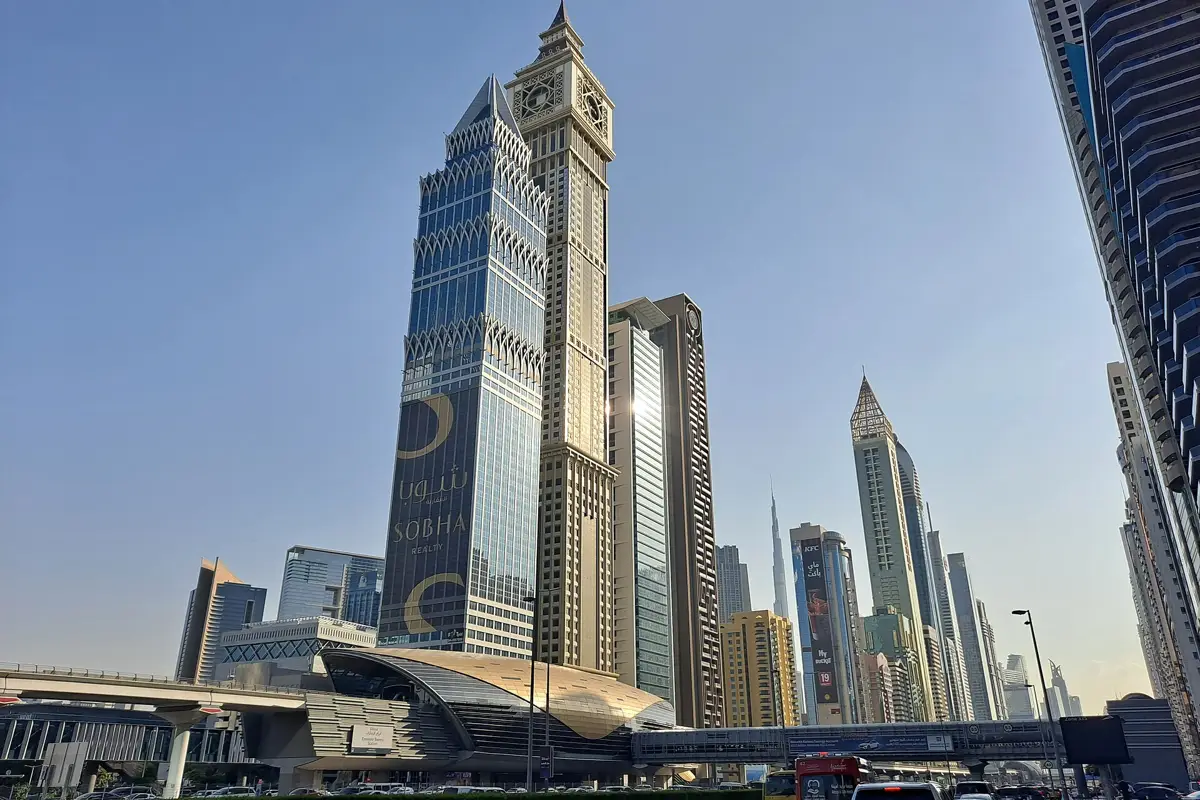
We keep a full list of districts and what each one offers in our guide to freehold areas in Dubai for foreigners. Use it to shortlist two or three areas that match your budget and goal, whether that is rental income, a holiday home or long-term growth.
What Documents Do Foreign Buyers Need?
The paperwork is lighter than most buyers expect. To buy property in Dubai as a foreigner, you typically need:
- A valid passport. A copy of the passport is required for every buyer named on the contract.
- An Emirates ID and visa copy, if you already live in the UAE.
- Proof of funds, such as a bank statement, a mortgage pre-approval or a source-of-funds declaration.
- A signed sale agreement (often called Form F, the Memorandum of Understanding) between buyer and seller.
- A power of attorney, if someone signs on your behalf while you are abroad.
Documents issued outside the UAE may need translation or attestation. Your adviser or the trustee office will tell you what applies to your country. Anti-money-laundering checks are standard, so expect questions about where your funds come from.
How to Buy Property in Dubai as a Foreigner: The Step-by-Step Process
The process is similar for ready and off-plan property, with a few differences. Here is the usual order for a resale purchase.
- Set your budget and goal. Decide how much you can spend in total, including fees, and whether you want income, a home or capital growth.
- Choose an area and property. Shortlist freehold areas, visit or take a video tour, and compare prices per square foot.
- Make an offer and sign Form F. Buyer and seller agree the price and sign the Memorandum of Understanding. The buyer usually pays a deposit, often 10% of the price, which is held by the agent or the trustee.
- Get the NOC. The seller requests a No Objection Certificate from the developer, which confirms there are no outstanding fees on the unit.
- Finalise financing. If you use a mortgage, the bank values the property and issues its final approval.
- Transfer at a DLD trustee office. Both sides meet, or are represented, and pay the transfer fee. The ownership is moved into your name.
- Receive your title deed. The DLD issues the title deed, which is your proof of ownership. Our guide to the title deed in Dubai shows what it contains and how to read it.
For an off-plan purchase you sign a sales and purchase agreement with the developer instead, pay by instalments and register the contract in the DLD system. See how off-plan payment plans work in Dubai for typical structures.
What Are the NOC and the Escrow Account?
These two terms confuse many first-time buyers. They protect different parts of the deal.
What is a NOC in Dubai property?
A No Objection Certificate is issued by the developer or the owners’ association. It confirms that the seller has paid service charges and that the developer has no objection to the transfer. Without it, the DLD will not complete a resale. The developer usually charges the seller an administrative fee for the NOC.
What is an escrow account?
For off-plan projects, Dubai law requires developers to deposit buyer payments into a project escrow account. The money can only be used to build that project. This reduces the risk of a developer spending your payments elsewhere. Read our guide to the Dubai escrow account to see how to check that a project has one.
Want a shortlist of freehold properties that fit your budget?
Looking beyond Dubai? Our guide to buy property in UAE compares all seven emirates.
Tell us your budget and goal, and our team will send options in open freehold areas with the full cost breakdown.
How Much Does It Cost to Buy Property in Dubai as a Foreigner?
The price of the property is not the only cost. When you buy property in Dubai as a foreigner, plan for these items on top of it. The amounts below are commonly quoted; confirm them before you pay.
| Cost | Typical amount | Who usually pays |
|---|---|---|
| DLD transfer fee | 4% of the property price | Buyer |
| Agent commission | About 2% of the price, plus VAT | Buyer (resale) |
| Trustee office fee | A fixed fee, plus VAT | Buyer |
| Title deed fee | A small fixed fee | Buyer |
| NOC fee | Set by the developer | Seller |
| Mortgage registration | About 0.25% of the loan, plus a small fee | Buyer, if financed |
| Annual service charge | Per square foot, set by the building | Owner, every year |
As a rough guide, budget about 6% to 7% of the price in one-off costs for a resale purchase. Our guide to the hidden costs of buying property in Dubai lists the extras that surprise buyers, and the page on Dubai service charges explains the yearly bill.
Is There Tax on Property in Dubai?
If you buy property in Dubai as a foreigner, the tax picture is simple. Dubai does not charge an annual property tax on residential owners, and there is no capital gains tax on a property sale for individuals. The main one-off government cost is the 4% DLD fee. VAT may apply to some commercial purchases and to agent fees.
Tax can still matter in your home country. Many countries tax foreign rental income or gains on their residents, so speak to a tax adviser where you live. Our article on property tax in Dubai covers what foreign owners really pay.
Can You Get a Mortgage or a Visa as a Foreign Buyer?
Mortgage for non-residents
Yes, several UAE banks lend to non-residents, usually with a larger down payment than residents. The loan amount depends on your income, the property value and the bank’s policy. Read the details in our guide to a mortgage in Dubai for non-residents.
Residency through property
Buying property can support a long-term residence visa when you meet the value threshold set by the authorities. The rules, minimum value and documents are explained in our guide to the Dubai Golden Visa by property. Check the current conditions with the official sources before you plan around a visa.
What Are the Risks and How Do You Avoid Them?
Dubai has a regulated market, and anyone who wants to buy property in Dubai as a foreigner should know that the Dubai Land Department publishes guidance for buyers on its official website. Still, most problems come from skipped checks, not from the law itself. Use this short checklist.
- Check the freehold status of the building before you pay a deposit.
- Verify the seller. The name on the title deed must match the person signing.
- Use a licensed agent. Ask for the broker licence and ORN number.
- Pay only through traceable channels. Use a manager’s cheque or bank transfer to the trustee or the escrow account named in the contract. Never pay cash or a personal account.
- Check off-plan projects. Confirm the project is registered, has an escrow account and that the developer has a track record.
- Read the contract. Look at the handover date, penalties, service charges and what is included.
- Budget for the full cost, not only the sticker price.
Most buyers make the same few errors. Our list of the mistakes to avoid when buying property in Dubai is worth reading before you sign.
Related reading: Foreign buyers also look beyond Dubai at Sharjah, Ajman, Ras Al Khaimah, Fujairah and Umm Al Quwain, where entry prices and ownership rules differ. Waterfront buyers often shortlist Bluewaters Island as well.
Frequently Asked Questions
Can a foreigner buy property in Dubai?
Yes. Foreigners can buy property in Dubai in areas designated as freehold. You do not need to live in the UAE, and the purchase is registered with the Dubai Land Department. Outside the freehold zones, ownership is generally restricted, so always confirm that the building is in an open area before paying a deposit.
Do foreigners get freehold ownership in Dubai?
Yes, in designated freehold areas. Freehold means you own the unit and its share of the land with no time limit. You can sell it, rent it out or pass it to heirs. In other areas, foreigners may only be offered leasehold or usufruct rights for a fixed period.
What documents do I need to buy property in Dubai as a foreigner?
You usually need a valid passport, proof of funds, a signed sale agreement and, if you live in the UAE, an Emirates ID. If someone signs for you, a power of attorney is required. Foreign documents may need translation or attestation, so ask your adviser what applies to your country.
How much does it cost to buy property in Dubai as a foreigner?
Besides the price, budget about 6% to 7% of it for one-off costs on a resale. The main items are the 4% DLD transfer fee, agent commission of about 2% plus VAT, trustee and title deed fees, and a mortgage registration fee if you borrow. Service charges are paid every year.
Is there property tax in Dubai for foreigners?
Dubai has no annual property tax for residential owners and no capital gains tax on individuals. You pay the one-off 4% DLD fee when you buy. Your home country may still tax rental income or gains, so check your own tax position with a local adviser before you invest.
Can I buy property in Dubai without visiting?
Yes. Many foreign buyers complete the purchase remotely with video tours and a power of attorney. A trustworthy agent, a signed contract and payments made only through the trustee or escrow account are essential. Confirm each step in writing and keep every receipt and bank confirmation for your records.
Next Step: Start Your Dubai Purchase with Local Guidance
If you are ready to buy property in Dubai as a foreigner, our team can help you choose a freehold area, check the paperwork and understand the full costs before you commit. There is no pressure to buy.
Browse the properties open to foreign buyers, contact our team to book a free consultation, or message us on WhatsApp (+971 50 550 7466).