
Remote Property Purchase Dubai: POA and 8 Steps (2026)
Remote property purchase Dubai guide for overseas buyers: how a power of attorney works, the 8 steps from shortlist to…

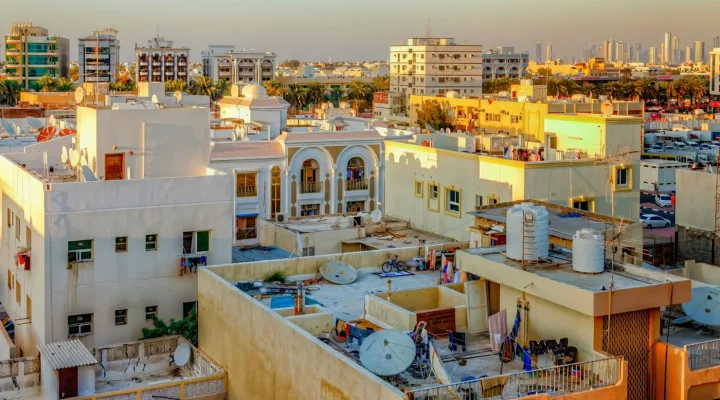




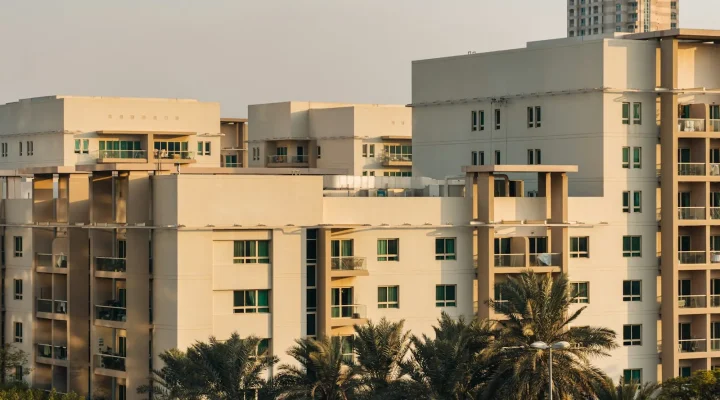



Property purchase in Dubai is open to foreign buyers in designated freehold areas, comes with no annual property tax, and is regulated end to end by the Dubai Land Department (DLD). This category page is the starting point for every guide we publish on the topic: costs, mortgages, off-plan contracts, title deeds, service charges and the best areas. Read the overview of property purchase in Dubai below, then jump into the detailed article that matches your next step.
Whether you plan a first home, a holiday apartment or a rental investment, a successful property purchase in Dubai comes down to three things: knowing the rules, budgeting for every fee, and checking each document before you pay. The sections below walk you through them in order.
Dubai has become one of the most active real estate markets in the world, and the reasons are practical rather than hype. There is no annual property tax, ownership rights for foreigners are clearly defined in freehold zones, and a single government body, the DLD, registers every transaction. For many investors, that transparency matters as much as the price.
The second driver of property purchase in Dubai is return. Rental yields in Dubai are often higher than in many mature global cities, with typical gross yields in our Dubai rental yield by area guide ranging from about 4.5% to 6.9% depending on the district and unit type. Those are gross figures, so always subtract service charges and management costs before comparing deals.
The third driver is lifestyle: international schools, hospitals, beaches, malls and metro access sit close together, which makes a property purchase in Dubai equally attractive for families, remote workers and retirees.
Non-UAE residents can complete a property purchase in Dubai, but only in areas designated for foreign ownership. These freehold zones include many of the best-known communities, such as Downtown Dubai, Dubai Marina, Palm Jumeirah, Business Bay and Jumeirah Village Circle. Outside those zones, ownership is generally limited to UAE nationals or follows different rules.
Our guide to freehold areas in Dubai for foreigners lists where you can buy, and the article on property purchase conditions in Dubai explains the documents and eligibility checks. If you live abroad, you do not have to travel: read how a remote property purchase in Dubai works with a power of attorney.
The process differs slightly between a resale unit and a new off-plan unit, but the backbone is the same. Following a fixed order in your property purchase in Dubai protects your deposit and keeps the timeline predictable.
Decide whether you want to live in the property, rent it out, or resell it. Your goal sets the area, the unit size and the payment structure. Add a buffer for fees before you set the final number.
Only deal with licensed brokers. Use our 5-step RERA check for agents and confirm that the seller really owns the unit and that no mortgage or dispute is attached to it.
For a resale unit, buyer and seller sign the memorandum of understanding (Form F), and a deposit is usually held by the broker or a trustee. For new projects, the developer issues a sales and purchase agreement, and payments follow the project schedule.
For resale, the developer issues the NOC confirming there are no unpaid service charges. Both parties then attend a DLD-registered trustee office to pay the fees and complete the transfer.
After registration, the DLD issues the title deed in your name. Our article on the title deed in Dubai shows how to get it and verify it. For off-plan units, the contract is registered first; see Oqood registration for off-plan contracts.
The listed price in a property purchase in Dubai is never the total. The main government cost is the DLD registration fee, which under Dubai law is 4% of the property value and is split equally between buyer and seller unless you agree otherwise in writing. Agent commission, trustee office fees and mortgage registration (0.25% of the loan amount) come on top.
After handover, owners pay service charges every year. In our Dubai service charges guide, typical rates fall between roughly AED 14 and AED 32 per square foot, depending on the building and its facilities. Property managers charge extra if you rent the unit out, as shown in Dubai property management fees.
| Cost | Who pays | Where to read more |
|---|---|---|
| DLD registration fee (4%) | Buyer and seller, split equally unless agreed | Cost of buying property in Dubai |
| Mortgage registration (0.25% of loan) | Buyer | Mortgage in Dubai for non-residents |
| Annual service charges | Owner | Dubai service charges |
| Snagging and handover checks | Buyer | Dubai property snagging |
UAE banks lend to both residents and non-residents for a property purchase in Dubai, but terms differ. Non-residents usually face a lower loan-to-value ratio and need a larger down payment, so plan your cash early. Approval depends on income, credit history and the property itself, and a pre-approval letter strengthens your offer when you negotiate.
Our article on mortgage in Dubai for non-residents explains the eligibility checks, documents and costs in plain language. Compare at least two banks, read the early-settlement terms, and keep a reserve for fees. If you buy in cash, you still need proof of funds for the transfer.
In a property purchase in Dubai, off-plan units cost less to enter and often come with flexible payment plans, while ready units give you immediate rent or use and no construction risk. Neither is always better; the right choice depends on your budget, timeline and risk tolerance. Our comparison of off-plan vs ready property in Dubai sets out the trade-offs.
If you lean towards off-plan, study the Dubai off-plan payment plans before signing, and check how escrow protects your instalments. Off-plan buyers who want to exit early should read about off-plan resale in Dubai first, because developers set their own conditions for assignments.
Location decides the return on any property purchase in Dubai: your rental income, resale value and daily life. Waterfront districts such as Dubai Marina and Palm Jumeirah suit buyers who want views and lifestyle, Downtown Dubai and Business Bay suit those who want a central address, and Jumeirah Village Circle is often shortlisted by investors looking at yield. Families may prefer villa communities such as Arabian Ranches or Dubai Hills Estate.
For your property purchase in Dubai, start with the best areas to buy property in Dubai, then open the area categories under our Dubai property areas section to compare communities one by one. You can also browse the full Dubai areas directory.
A property purchase in Dubai is not the end of the journey. If you plan to rent, register the lease through Ejari as explained in Ejari Dubai: registration steps and rent increase rules. If you plan short stays, check the Dubai holiday home permit rules first.
Some property owners may also qualify for a long-term residence visa. Requirements change, so read our Dubai Golden Visa by property guide and confirm the latest conditions with the authorities before you rely on it for your purchase decision. When it is time to sell, the guide on selling property in Dubai covers fees, the NOC and the steps.
Most problems in a property purchase in Dubai come from skipping checks, not from the market itself. The most common are paying a deposit before verifying the seller, ignoring service charges, and signing an off-plan contract without reading the delay and cancellation clauses.
Read the full list in 7 mistakes foreign buyers make when buying property in Dubai and compare it with rent vs buy in Dubai if you are still deciding. For official procedures, fees and eservices, use the Dubai Land Department website.
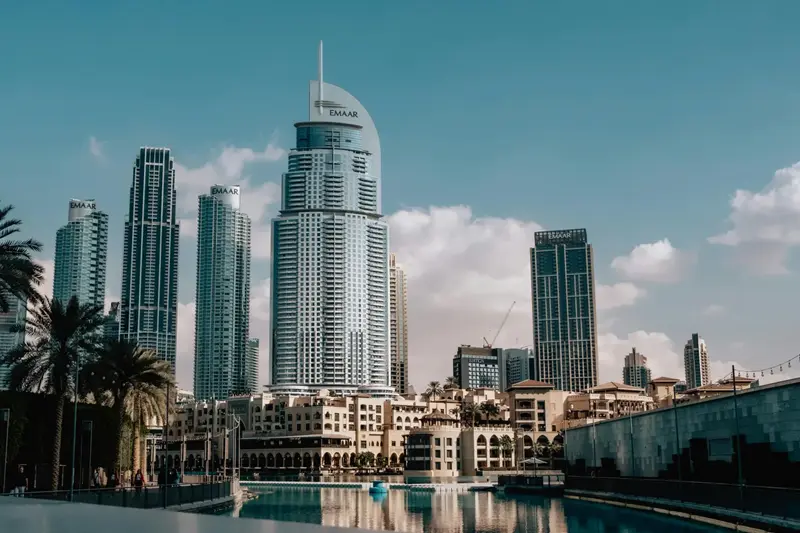
A property purchase in Dubai is not the only option in the UAE. Each emirate has its own market, price level and ownership rules, so it helps to compare before you commit. Use the city guides below to see how a property purchase in Dubai differs from buying elsewhere in the UAE, and always confirm foreign-ownership rules for the specific emirate and area.
You can also return to the main cities of the UAE hub to see every city guide in one place. Not sure which emirate fits your budget? Send us your budget and goal and we will point you to the right city.
Yes. Foreigners can buy freehold property in Dubai’s designated areas, such as Downtown Dubai, Dubai Marina and Palm Jumeirah. You do not need to be a resident, and you can complete the process remotely with a power of attorney. Ownership is registered with the Dubai Land Department, which issues a title deed in your name.
The main government cost is the DLD registration fee of 4% of the property value, which buyer and seller split equally unless they agree otherwise. You should also budget for agent commission, trustee office fees, mortgage registration if you finance, and yearly service charges after handover.
Dubai does not charge an annual property tax on residential ownership. Owners still pay service charges to the building’s management, and a one-time registration fee applies when you buy. Always check the current rules and your home-country tax obligations, because rental income may be taxed in your country of residence.
Yes, several UAE banks lend to non-residents, usually with a lower loan-to-value ratio than for residents. That means a larger down payment. Approval depends on your income, credit history and the property. Getting pre-approval first helps you set a realistic budget and negotiate with confidence.
It depends on your goal. Off-plan units usually need less cash upfront and offer payment plans, but you wait for handover and carry construction risk. Ready properties give immediate use or rental income and let you inspect what you buy. Compare both against your budget and timeline.
A resale transfer can often be completed within a few weeks once the price is agreed, the NOC is issued and the funds are ready. Mortgage cases take longer because of bank valuation and approval. Off-plan purchases are faster to sign, but ownership transfers only after the project is complete.
You are not legally required to hire either, but a licensed broker and, for complex cases, a property lawyer reduce risk. Always verify the broker’s RERA registration, read the contract carefully and make sure every payment goes through a regulated channel such as a trustee office or escrow account.
If you are ready to move from reading to buying, our team can shortlist areas, check the paperwork and guide you through the DLD process. Contact MrRealEstate for a free consultation, message us on WhatsApp at +971 50 550 7466, or call our office on +971 4 370 0921. Start with the full buy property in Dubai guide and we will take it from there.