If you are comparing freehold vs leasehold Dubai listings, the words in the ad decide what you actually own. Freehold gives you the property with no end date. Leasehold, usufruct and musataha give you rights for a fixed number of years.
This guide explains each ownership type in plain language: how long it lasts, what you can do with it, and how it affects resale and mortgages. It does not repeat the area list from our guide to freehold areas in Dubai for foreigners. It covers the rights themselves.
This is general information, not legal advice. Always read the registered documents for the exact unit you plan to buy.
- Freehold vs leasehold Dubai: the quick answer
- What freehold ownership means in Dubai
- What leasehold property in Dubai means
- Usufruct in Dubai
- Musataha right in Dubai
- Side-by-side comparison table
- Freehold ownership for foreigners
- Resale and mortgages: why the ownership type matters
- The 99-year lease in Dubai: what happens at the end
- 6 checks before you sign: freehold vs leasehold Dubai
- Frequently Asked Questions
- Next step
Freehold vs leasehold Dubai: the quick answer
In short, freehold vs leasehold Dubai comes down to this. Freehold means you own the property outright and without a time limit. Leasehold means you hold the right to use or build on a property for a set period, and ownership stays with someone else.
- Freehold: permanent ownership, open to foreigners only in areas designated for foreign ownership.
- Leasehold: a registered long lease, up to 99 years.
- Usufruct: the right to use and benefit from a property, up to 99 years, without owning it.
- Musataha: the right to develop land and use what you build for a fixed term.
In the freehold vs leasehold Dubai choice, freehold is the simplest and strongest option for most overseas buyers. The other rights can still be valid investments, but only if the price reflects the shorter, limited right.
What freehold ownership means in Dubai
Freehold is the strongest property right in Dubai. The Dubai Land Department (DLD) describes it as absolute and unrestricted by time, extending to the land and the buildings on it. You can live in it, rent it out, sell it, give it away or leave it to your heirs.
What you own with a freehold apartment
With an apartment, you own the unit and a share of the shared parts of the building, such as the lobby, lifts and pool. The owners’ association manages those parts, and you pay service charges for them. Our guide to Dubai service charges shows how those costs work.
What you own with a freehold villa or plot
With a villa or a plot of land, you own the land and the building on it. You are still bound by the community rules, building regulations and any master-developer conditions.
Where the freehold right is recorded
Your freehold is recorded in the title deed issued by DLD. The deed is the document that proves what you own. Read our guide to the title deed in Dubai to see how to get it and verify it.
What leasehold property in Dubai means
With leasehold property in Dubai, you do not own the land or the property. You hold a long lease from the owner. The lease runs for an agreed number of years, and Dubai law allows long leases of up to 99 years, registered with DLD.
When the lease ends, the right returns to the owner unless you have a renewal agreement. That makes the remaining term the most important number in the deal. A 90-year lease and a 12-year lease can have the same floor plan and very different values.
Leasehold vs a normal tenancy
In freehold vs leasehold Dubai comparisons, a leasehold is not the same as renting. A normal tenancy is short, usually one year, and gives you very limited rights. A registered long lease is a real property right that can be bought, sold and sometimes mortgaged, within the terms of the lease.
What to read in a leasehold contract
- The start date, end date and remaining term.
- Ground rent or annual payments to the landlord.
- Whether you can sell or sublet, and whether the landlord must approve.
- What happens at the end: renewal, extension or handback.
Usufruct in Dubai
Usufruct in Dubai is the right to use a property and benefit from it, for example by living in it or collecting rent, for up to 99 years. The legal owner keeps the ownership itself.
The owner grants the right, and it must be registered at DLD to count as a real property right. You may see it in listings as a “99-year usufruct”. Treat that wording as a leasehold-style right, not as freehold.
In a freehold vs leasehold Dubai comparison, usufruct can be useful when the law does not allow foreign freehold in a given location, or when a structure is built around a long-term right. The trade-off is that you are buying time, not permanent ownership. Price it that way.
Musataha right in Dubai
The musataha right in Dubai lets a person develop a piece of land they do not own and use what they build for an agreed period. It is common in commercial and development deals. Legal guides, such as the DLA Piper guide to investing in Dubai, describe terms of up to 50 years for development land.
A musataha holder usually builds, operates and later hands the asset back. If a listing mentions musataha, ask who owns the land, how long the right lasts, and what happens to the building at the end. These deals are specialist territory, so take legal advice before you commit.
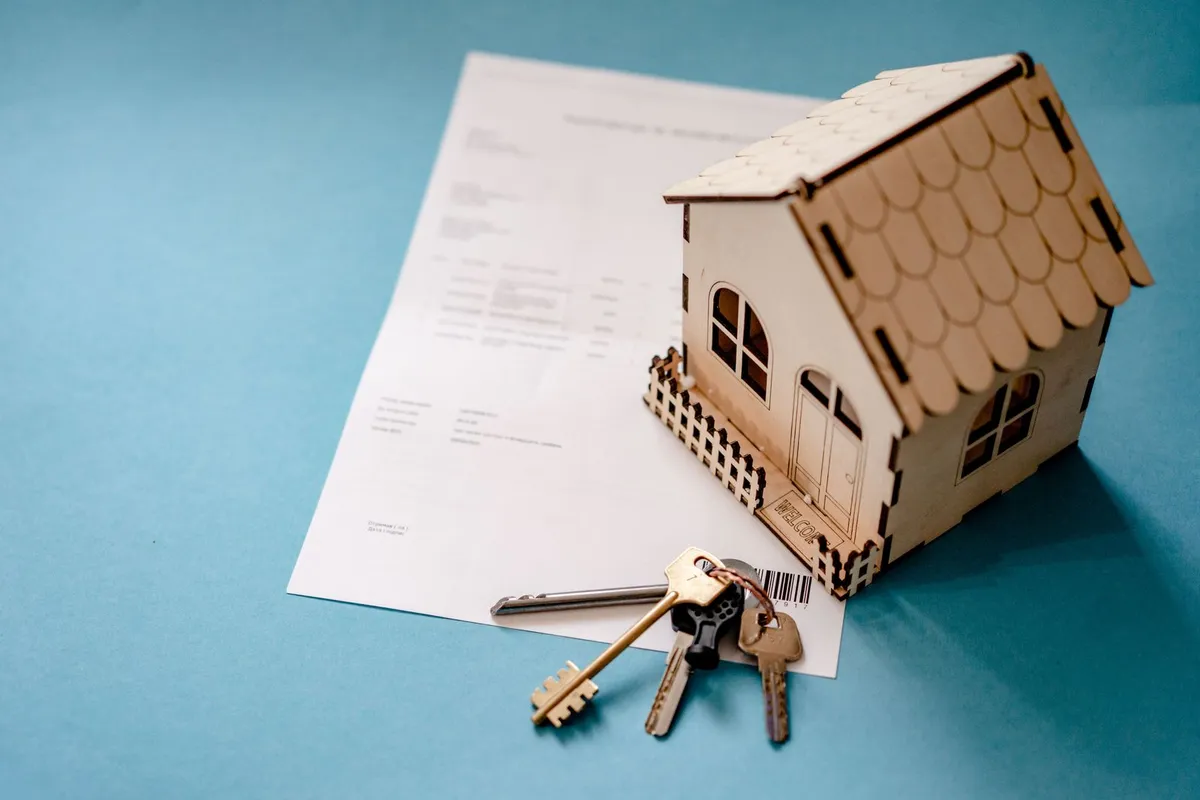
Freehold vs leasehold Dubai: side-by-side comparison
| Feature | Freehold | Leasehold | Usufruct | Musataha |
|---|---|---|---|---|
| What you hold | Ownership of the property | A long lease | Right to use and benefit | Right to develop and use land |
| Time limit | None | Up to 99 years | Up to 99 years | Fixed term, often up to 50 years |
| Who owns the land | You (or share of common parts) | The landlord | The owner | The landowner |
| Passes to heirs | Yes, as property | For the remaining term | Check the terms | Check the terms |
| Best for | Long-term owners and families | Investors who price the term | Buyers who accept a fixed term | Developers and operators |
Freehold ownership for foreigners
Freehold ownership for foreigners in Dubai is allowed in areas the Ruler has designated for foreign ownership. Outside those areas, UAE and GCC nationals have wider rights, and foreigners are usually limited to long leases or similar rights.
So the first question in any freehold vs leasehold Dubai decision is the location. Check that the building is in a designated freehold area, then check that the title deed shows freehold, not a lease. The full area list is in our freehold areas guide linked above.
Abu Dhabi and the other emirates have their own ownership rules. This guide covers Dubai only. For more detail, see the Khaleej Times explainer on how non-UAE residents can buy property in Dubai and the Dubai Land Department website.
Resale and mortgages: why the ownership type matters
Resale value
On resale, freehold vs leasehold Dubai property differs mainly in time. Freehold has no expiry, so the next buyer does not have to count down years. A leasehold or usufruct loses value as the term shortens, because each year removes a year of use. Buyers and valuers look at the remaining term first.
In practice, this means a leasehold usually needs a lower entry price than a similar freehold. It also means a shorter remaining term can narrow your pool of buyers when you sell.
Mortgages
For mortgages, freehold vs leasehold Dubai property is treated differently. Banks lend most easily against freehold property. For a leasehold or usufruct, lenders look closely at the registered right and the remaining term, and many will not lend on a short one. Ask the bank before you pay a deposit, not after.
If you plan to finance a purchase, read our guide to a mortgage in Dubai for non-residents. The ownership type should be one of the first facts you give a lender.
The 99-year lease in Dubai: what happens at the end
A 99-year lease in Dubai sounds long, but the clock starts when the lease starts, not when you buy. If you buy a unit in year 40, you hold the remaining 59 years, not 99.
Before you buy, confirm three things in writing:
- The exact end date of the registered right.
- Whether the contract gives you a right to renew, and on what terms.
- What happens to the building and your investment if it is not renewed.
If the contract is silent on renewal, assume there is none. Pay only for the years you are sure to get.
6 checks before you sign: freehold vs leasehold Dubai
- Ask for the title deed or the registered lease and confirm the right type: freehold, lease, usufruct or musataha.
- Confirm the property is in a designated freehold area if the seller says “freehold”.
- Check the remaining term and any renewal clause.
- Ask about ground rent, service charges and transfer approvals.
- Ask your lender if it will finance this type of right.
- Compare the price with similar freehold units and discount for the shorter term.
Many costly surprises in freehold vs leasehold Dubai deals come from skipping these steps. Our guide to the mistakes buyers make when buying property in Dubai covers the most common ones.
Frequently Asked Questions
What is the difference between freehold and leasehold in Dubai?
Freehold gives you permanent ownership of the property, with no end date. Leasehold gives you the right to use the property for a fixed period, up to 99 years, while the landlord keeps ownership. Freehold can be sold, rented or inherited as property, but a leasehold only lasts for its remaining term.
Can foreigners own freehold property in Dubai?
Yes, foreigners can own freehold property in Dubai, but only in areas designated for foreign ownership. These include many well-known communities for apartments and villas. Outside those areas, foreign buyers are usually limited to long leases or similar rights. Check the location and the title deed before you pay a deposit.
What is usufruct in Dubai?
Usufruct is the right to use a property and benefit from it, for example by living in it or renting it out, for up to 99 years. It does not transfer ownership. The right must be registered with the Dubai Land Department, and it ends when the term expires.
What is a musataha right in Dubai?
A musataha is the right to develop land owned by someone else and use what you build for an agreed period. Legal guides describe terms of up to 50 years. It is mostly used in development and commercial deals, so buyers should take legal advice and check the registered term.
Is a 99-year lease in Dubai the same as owning?
No. A 99-year lease gives you long-term use, not permanent ownership. When the term ends, the right returns to the owner unless a renewal is agreed. Its value falls as the remaining term shortens, so always check how many years are left, not the original 99.
Can I get a mortgage on a leasehold property in Dubai?
It depends on the bank and the remaining term. Lenders prefer freehold and often look closely at leasehold or usufruct rights. Many will not lend against a short remaining term. Ask your bank to confirm in writing before you pay a deposit or sign a contract.
How do I check if a property is freehold?
Ask for the title deed and read which right it records. You can also confirm the registration with the Dubai Land Department or through a licensed broker. Do not rely on the listing alone, because “freehold” is sometimes used loosely in adverts.
Next step: confirm the ownership type before you buy
If you are weighing freehold vs leasehold Dubai options, the safest move is to have the registered right checked before you pay anything. Our team can confirm the ownership type, the remaining term and the financing options for the units you are considering.
Start your Dubai property purchase with a freehold shortlist or book a consultation with our team. You can also message us on WhatsApp (+971 50 550 7466).
This guide is general information, not financial or legal advice. Laws and rules change, so check current requirements before you buy.