
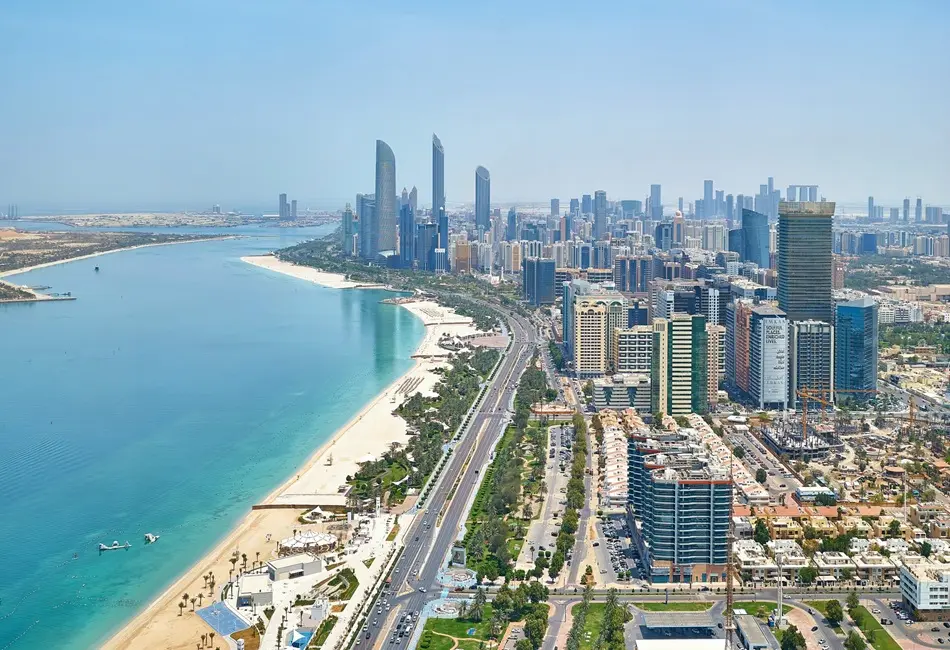

Buying property in Abu Dhabi is one of the most practical ways to combine a long-term investment with a high-quality lifestyle in the Middle East. The capital of the United Arab Emirates offers a stable economy, modern infrastructure, clear regulations and a strong reputation for safety. In this guide we explain how Abu Dhabi works as a property market, which areas suit which buyer, what the purchase process looks like and what to check before you sign.
In this article
- Why buying property in Abu Dhabi is a smart decision
- Define your purpose before you buy
- Best areas for buying property in Abu Dhabi
- Types of property you can buy
- Foreign ownership rules
- Steps to buy property in Abu Dhabi
- Costs, fees and taxes
- Residence visa after a purchase
- Abu Dhabi vs Dubai
- How to protect and grow your property value
- Common mistakes to avoid
- Frequently asked questions
Why Buying Property in Abu Dhabi Is a Smart Decision
Buying property in Abu Dhabi is not just a simple transaction. For many buyers it is a strategic step towards financial security, a comfortable family life and access to one of the most dynamic real estate markets in the region.
- A stable, growing market. Abu Dhabi’s real estate sector is supported by government-led development programmes and a steady pipeline of projects. This stability makes buying property in Abu Dhabi a sensible choice for both living and investing.
- Diverse opportunities. You can choose between luxury apartments, waterfront villas, modern towers and off-plan projects, so buyers with different budgets can find a suitable option.
- Rental income. A large international population creates constant rental demand, and rents in the UAE are paid in dirhams, which are pegged to the US dollar.
- High quality of life. The emirate offers modern infrastructure, strong security, good schools and hospitals, and a calm, family-friendly atmosphere.
- Legal protection for foreign investors. Foreign nationals can own freehold property in designated investment zones, backed by a registration system run by the Abu Dhabi Real Estate Centre (ADREC).
- A diversified economy. Abu Dhabi’s economy is built on energy but increasingly on finance, tourism, technology and culture, which supports long-term demand for housing.

Define Your Purpose Before Buying Property in Abu Dhabi
Before looking at listings, decide why you want to buy. The answer shapes the property type, the area and your budget.
- Residential living: prioritise schools, healthcare, commute time and community facilities.
- Long-term investment: prioritise rental demand, the developer’s track record and the area’s growth potential.
- A mix of both: choose a property you could live in now and rent out later.
Write down your budget, including purchase fees and furnishing, and the timeframe you plan to hold the property. This one step prevents most impulse purchases.
Best Areas for Buying Property in Abu Dhabi
Abu Dhabi offers several well-known communities, each with its own character. Comparing amenities, security and infrastructure is the key to an informed choice.
- Yas Island: a leisure and entertainment hub with luxury residences, suited to buyers who enjoy an active lifestyle.
- Saadiyat Island: a calm, cultural island with beaches and museums, popular with buyers looking for premium living.
- Al Reem Island: modern apartment towers close to the city centre, with schools, healthcare and shopping nearby.
- Al Maryah Island: a business and lifestyle district with offices, retail and residences in one place.
- Al Raha Beach and Masdar City: newer communities that attract families and professionals.
For a closer look at one of the emirate’s most talked-about locations, read our article on Hudayriyat Island and Abu Dhabi real estate. When comparing areas, look at the growth potential, nearby infrastructure and expected rental yield rather than the brochure alone.
Market Analysis Before You Commit
Before you buy, study the market itself:
- Current property prices in your target area
- Market trends over recent years
- Infrastructure, schools and public transport
- Ongoing and upcoming projects that could change supply
Accurate information strengthens every later decision, from negotiation to resale. For current developments you can follow our report on foreign investors in Abu Dhabi real estate.
Types of Property You Can Buy
- Apartments: from standard units to luxury residences with shared facilities such as pools and gyms. They are the most common choice for investors and professionals.
- Villas and townhouses: private, spacious and well suited to families.
- Land: an option for buyers who want to build to their own plan, subject to the rules of the zone.
- Off-plan properties: units bought before completion, often with a staged payment plan. Check the developer’s reputation and the escrow arrangements first.
Choosing the right property type matters as much as choosing the area, because it sets your running costs and your likely tenant profile.
Foreign Ownership Rules
Foreign nationals can buy freehold property in Abu Dhabi’s designated investment zones under Law No. 13 of 2019. These zones include popular communities such as Saadiyat Island, Yas Island, Al Reem Island, Al Maryah Island, Al Raha Beach and Masdar City. Outside these zones, other ownership structures such as long leases may apply. You can read more about the law’s background in this Gulf News report on Abu Dhabi’s freehold law.
Always ask the agent or the developer to confirm that the specific building you are considering lies inside a freehold zone, and ask for the title details before paying a deposit.
Steps to Buy Property in Abu Dhabi
- Market research: compare prices, amenities, projects and local regulations.
- Choose a trusted real estate agent: work with a licensed professional who knows the Abu Dhabi market.
- Property inspection: visit the property, or the show unit and site for off-plan projects, before signing anything.
- Negotiation and contract: agree the price, payment terms and handover date, then sign the sale agreement.
- Payment and ownership transfer: pay the price and the registration fees, complete the legal procedures and receive the title deed.
Following these steps in order keeps buying property in Abu Dhabi safe and predictable. Keep copies of every document and receipt.
Documents You Will Usually Need
- A valid passport
- A valid visa or residence permit, if you hold one
- Proof of funds or financing approval
- Personal identification and any documents requested by the developer or ADREC
Requirements can change depending on the property type and the buyer’s profile, so confirm the current list with your agent or lawyer.

Costs, Fees and Taxes When Buying Property in Abu Dhabi
The purchase price is only part of the total cost. Budget for the following:
- Registration fee: a percentage of the property value is paid when ownership is registered. Freehold registration has been quoted at around 2% of the price, but confirm the current rate with ADREC or your agent.
- Agency commission: usually a percentage of the price, plus VAT on the commission.
- Mortgage costs: if you finance the purchase, banks may charge arrangement and valuation fees.
- Service charges: annual charges for maintaining shared areas in apartment buildings.
- Annual property tax: the UAE does not charge a general annual property tax on residential property, but fees and municipal charges may apply.
Tax rules can change, so ask a qualified tax or legal adviser to confirm your own situation, especially if you also pay tax in another country. Financing is available through banks and financial institutions for eligible buyers, and the terms depend on the property type, the buyer’s profile and each bank’s policy.
Residence Visa After Buying Property in Abu Dhabi
A property purchase can open the door to a UAE residence visa for investors. Longer-term options include the 10-year Golden Visa, which is linked to property investment of at least AED 2 million. Lower-value purchases may qualify for shorter investor residence visas, but the thresholds and conditions are set by the authorities and can change, so check the latest rules before you buy.
A residence visa lets you live in the UAE, use local services, open bank accounts more easily and travel in and out of the country with fewer restrictions. It also supports long-term planning for families who want to relocate.
Benefits for Iranian Buyers
Many Iranian investors choose Abu Dhabi because of its proximity, cultural familiarity and the ease of everyday life. Typical advantages include:
- A secure market with clear registration procedures
- Residence visa options linked to property
- Language support and an established Iranian community
- Access to international banking and global markets
- A strong rental market with consistent demand
Remember that banking, transfer and sanctions-related rules affect how funds can be moved, so take legal advice before transferring money.
Difference Between Buying Property in Abu Dhabi and Dubai
| Feature | Abu Dhabi | Dubai |
|---|---|---|
| Lifestyle | Calm, family-friendly | Modern, vibrant |
| Real estate market | Generally more stable | Dynamic, competitive |
| Foreign ownership | Freehold in designated investment zones | Freehold in many designated areas |
| Costs | Generally lower in comparable areas | Higher in prime and luxury areas |
| Return profile | Stable, long-term | Higher growth potential, more volatility |
Neither market is better in every case. Abu Dhabi suits buyers who value stability and a quieter lifestyle, while Dubai suits those who want a faster, more international market. Our article on the UAE property market and new global buyers gives more context for comparing the two emirates.
How to Protect and Grow Your Property Value
- Choose areas with consistent growth and strong infrastructure.
- Select buildings with high-quality construction and good amenities.
- Maintain the property regularly and update the interior when needed.
- Follow market changes and economic news.
- Work with a reputable real estate agent and keep the paperwork in order.
Buying property in Abu Dhabi works best as a long-term decision. Patient owners who maintain their property and review the market each year are usually in the strongest position when they decide to rent or sell.
Common Mistakes to Avoid
- Buying without visiting: photos and brochures do not show noise, views or the condition of the building.
- Ignoring the total cost: fees, service charges and furnishing can add up quickly.
- Skipping the legal check: confirm ownership type, the freehold status of the zone and any outstanding charges.
- Relying on one source: compare several listings, agents and market reports.
- Following hype: choose the property that fits your own goal, not the one that is trending.
Professional guidance reduces these risks. The specialists at mrrealestate.ae can help you review options and prepare for each step of buying property in Abu Dhabi.

Frequently Asked Questions About Buying Property in Abu Dhabi
1. Can foreigners buy property in Abu Dhabi?
Yes. Foreign nationals can buy freehold property in Abu Dhabi’s designated investment zones, such as Saadiyat Island, Yas Island, Al Reem Island and Al Maryah Island. Buyers receive full ownership rights and legal protection in these zones. Always confirm that the specific building is inside a freehold zone before you pay a deposit.
2. What are the best areas for buying property in Abu Dhabi?
Popular areas include Yas Island, Saadiyat Island, Al Reem Island and Al Maryah Island. Yas suits leisure-focused buyers, Saadiyat suits those seeking calm premium living, and Al Reem offers modern apartments close to the city centre. The best choice depends on your budget and whether you plan to live there or rent out.
3. What documents are needed for buying property in Abu Dhabi?
You will usually need a valid passport, proof of funds or financing approval, and personal identification. A residence visa may also be requested if you hold one. Developers and ADREC can ask for extra documents depending on the property type, so confirm the current list with your agent or lawyer first.
4. What is the process of buying property in Abu Dhabi?
The process starts with market research and choosing a licensed agent. You then inspect the property, negotiate the price and sign the sale agreement with a deposit. Finally you complete payment, pay the registration fees and transfer ownership. Each step should be backed by written documents and receipts.
5. Is mortgage financing available for buying property in Abu Dhabi?
Yes, banks and financial institutions in the UAE offer mortgages to eligible buyers, including some non-residents. Terms depend on the property type, the buyer’s profile and each bank’s policy. Compare offers from several banks and ask about fees, the required down payment and early repayment conditions before committing.
6. Does buying property in Abu Dhabi give me a residence visa?
It can. Property investment can lead to an investor residence visa, and purchases of at least AED 2 million can qualify for the 10-year Golden Visa. Thresholds and conditions are set by the authorities and may change, so check the latest requirements with an official source before you buy.
7. What taxes and fees apply when buying property in Abu Dhabi?
There is no general annual property tax on residential property in the UAE, but you should budget for the registration fee, agency commission with VAT, service charges and any mortgage costs. Freehold registration has been quoted at around 2% of the price. Confirm current rates with ADREC or your adviser.
8. How can I make a safe property purchase in Abu Dhabi?
Work with a licensed, experienced agent, research the market, review every legal document and visit the property personally before deciding. Verify the ownership type and the freehold status of the area. Professional advice reduces risk and helps the transaction run smoothly from the first viewing to the title deed.
Ready to start buying property in Abu Dhabi?
For a free consultation and secure support at every step, contact Master Real Estate. Our experts help you with market research, area selection, legal registration and ownership transfer.